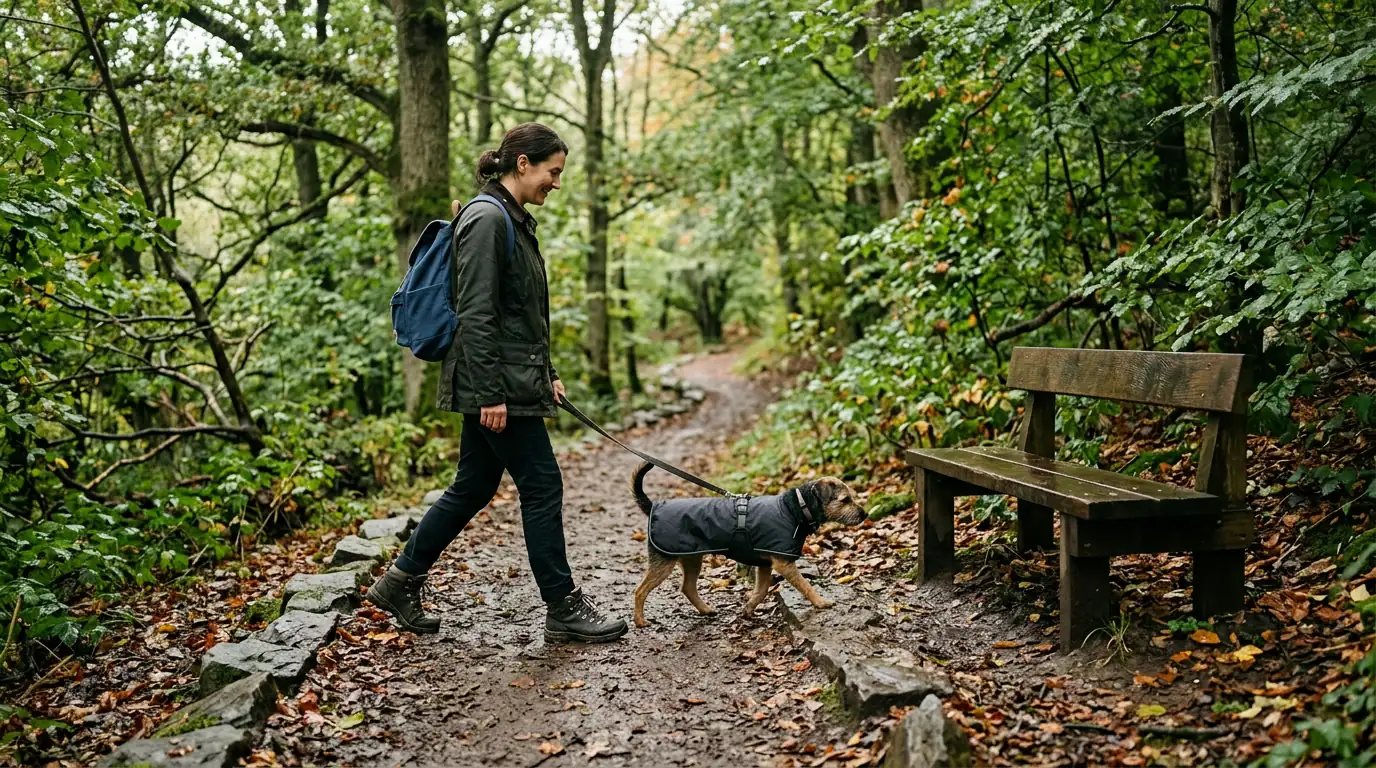
All-Weather Dog Jacket with Exclusive Blackshark Technology
A More Considered Layer for Changeable Walks
A dog jacket can provide an additional barrier during damp, windy, or cool outings. Whether a dog benefits from that layer depends on breed, coat density, body size, age, health, activity level, and current conditions. Short-coated dogs may welcome protection on a brisk walk, while an active, thick-coated dog might become too warm in the same garment.
Blackshark Technology is the distinguishing feature of this jacket. Shoppers should review the current product page before ordering to confirm materials, insulation, water resistance, closures, and sizing information rather than assuming it is suitable for every type of weather.
When an Outdoor Jacket May Be Helpful
| Condition | Potential Benefit | What Owners Should Check |
|---|---|---|
| Light rain or damp weather | Provides an outer barrier between the dog and wet conditions | Confirm current water-resistance specifications and dry the jacket after use |
| Cool, windy walks | Adds a layer for dogs that become chilled easily | Watch for shivering, slowing down, or attempts to return home |
| Changing seasonal weather | Offers a convenient layer that can be added or removed | Check the dog regularly to prevent overheating |
| Travel and outdoor outings | Supports comfort when conditions change unexpectedly | Pack water, identification, a towel, and weather-appropriate supplies |

The right moment for a jacket is defined less by the season than by the combination of conditions, activity, and the dog’s response.
| Condition | Potential role | What to check |
|---|---|---|
| Light rain or damp weather | Adds an outer barrier | Confirm current water-resistance specifications and dry the jacket after use |
| Cool, windy walks | Provides an additional layer | Watch for shivering, slowing down, or attempts to return home |
| Changing seasonal weather | Can be added or removed as conditions shift | Check the dog regularly for signs of overheating |
| Travel and outdoor outings | Offers a practical option when conditions change | Carry water, identification, a towel, and weather-appropriate supplies |
Featured in this guide
All-Weather Dog Jacket with Exclusive Blackshark Technology
Small, lean, short-haired, senior, very young, or medically vulnerable dogs may find cold and wet conditions more challenging. Appearance alone, however, is not a complete guide. Behavior offers the clearest real-time information.
Trembling, a hunched posture, lifted paws, unusual fatigue, reluctance to continue, or repeated attempts to find shelter are cues to head indoors. Heavy panting and restlessness can indicate that a dog is becoming too warm. Thick-coated and highly active dogs generally require less insulation, especially during vigorous exercise.
Ask a veterinarian for individual guidance if a dog has a medical condition, is recovering from illness, or displays unusual sensitivity to temperature.
Check the listed dimensions for read the dog, not just the forecast against the available vehicle space before use.
Measure according to the manufacturer’s directions, typically checking the neck circumference, chest girth at the widest point, and back length. Compare those measurements with the current size chart rather than selecting by breed or weight alone.
The jacket should remain secure without limiting the shoulders, front legs, breathing, toileting, or natural stride. Closures should not pinch skin or pull fur, and the edges should not rub the neck, chest, armpits, or abdomen. Excess fabric can catch on branches, fencing, and other objects.
Introduce the jacket indoors for a few minutes before a longer outing. Observe walking, sitting, and turning, reward relaxed behavior, and recheck the fit after the dog has moved around.
Protective clothing is only one element of outdoor safety. Keep outings shorter during extreme cold, heavy rain, storms, dangerous wind chill, or excessive heat. Supervise the dog throughout and inspect the jacket if it becomes wet, gathers debris, or moves out of position.
After returning indoors, remove a damp garment, towel-dry the dog, and examine the paws, belly, and skin for irritation, ice, mud, or trapped moisture. A jacket does not replace safe indoor conditions, fresh water, attentive supervision, or appropriate shelter.
Follow the garment’s care label and seller instructions because cleaning requirements depend on its construction. Brush away dirt and loose hair after use, then allow the jacket to dry completely before storage.
Inspect seams, fasteners, edges, and fabric regularly for damage that could affect comfort or performance. Store the jacket in a clean, dry place away from direct heat. Avoid detergents, waterproofing sprays, or other treatments unless they are approved for the material.
Compare related options such as Modern Cat Climbing Tree with Multifunctional Table and Scratching Post to match features, dimensions, and use case before choosing.
No dog should be assumed to tolerate year-round outdoor living based only on breed or coat. Climate, health, age, shelter, water, supervision, and local animal-welfare requirements all matter, and a jacket does not replace safe indoor accommodation.
The 3-3-3 rule is a general adjustment guideline for newly adopted dogs: roughly three days to decompress, three weeks to learn a routine, and three months to feel settled. Individual dogs may adapt faster or require considerably more time.
Some rare breeds, extensively trained working dogs, and puppies from highly credentialed breeding programs may cost $10,000 or more. Purchase price varies widely and does not include ongoing veterinary care, food, training, grooming, and supplies.
Dogs hear speech sounds, tone, rhythm, and emotional cues, and many learn to associate familiar words with actions or objects. They do not necessarily understand full sentences in the same way people do.



Leave a comment
You must be logged in to post a comment.