
Can a Weak Heart Become Strong Again? What to Know

Sometimes, yes: a heart weakened by a treatable cause can regain some strength when that cause is addressed, while other conditions may require ongoing care even if symptoms improve. “Weak heart” is not a diagnosis, so the most useful first step is to find out what is affecting your heart and what recovery might realistically mean for you.
A clinician may evaluate your symptoms, blood pressure, heart rhythm, and heart function to determine whether the issue involves heart failure, a valve problem, an irregular heartbeat, or another condition. Treatment depends on that finding and may include medication, a procedure, or changes to daily habits; follow your prescribed plan rather than trying to strengthen your heart through exercise alone.
Check the product’s listed specifications when evaluating find the cause before changing your routine.
Featured in this guide
Heart-Strong Sports Checklist – Heart Health Sports Guide, Cardio Fitness Planner, Active Lifestyle eBook, Digital Download
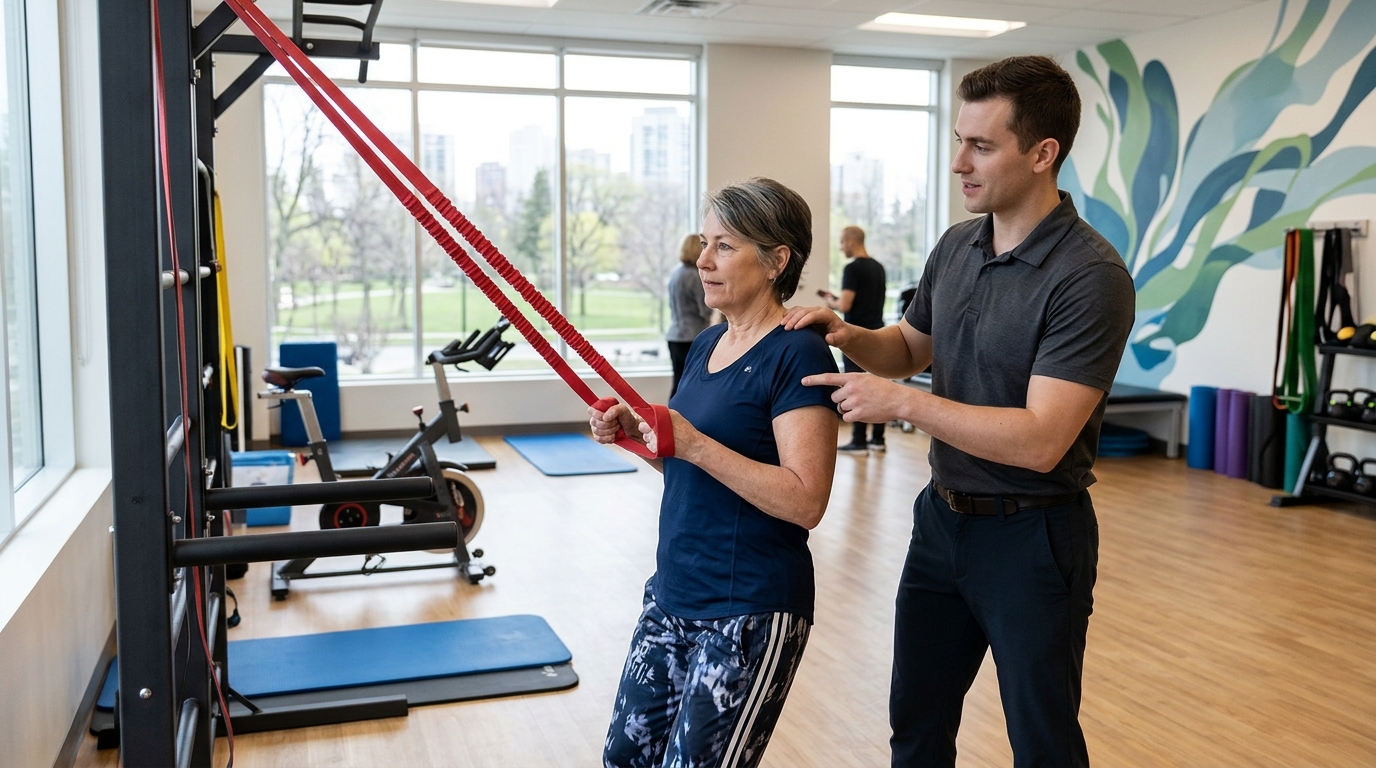
If your clinician says exercise is appropriate, start with an activity and pace you can tolerate, such as short walks, and ask whether cardiac rehabilitation would be a better-supported way to begin. Increase activity according to the guidance you receive, and stop and seek medical advice if exercise brings on chest discomfort, unusual shortness of breath, dizziness, or a racing or irregular heartbeat.
Check the product’s listed specifications when evaluating build activity at the right level.
Taking prescribed medication, attending follow-up visits, and managing conditions such as high blood pressure or diabetes can be just as important as becoming more active. Our Heart-Strong Sports Checklist is a digital guide and cardio fitness planner you can use to organize an activity routine, but it does not replace a personalized medical plan or tell you whether exercise is safe for your condition.
Start by getting a medical assessment so you know why your heart seems weak and which treatments apply to you. Then follow your care plan, ask what level of activity is safe, and make changes gradually rather than pushing through symptoms.
Possible signs include getting short of breath more easily, unusual fatigue, reduced ability to exercise, or swelling in your feet and ankles, but these symptoms can have other causes. Seek urgent medical care for chest pain, fainting, or severe or sudden shortness of breath; otherwise, arrange an evaluation if new symptoms persist or worsen.



Leave a comment
You must be logged in to post a comment.