A Smarter Utility-Saving Checklist for Lower Household Bills
Gather the past 6 to 12 months of electricity, natural gas, and water bills. Compare consumption as well as total cost, since rate increases can raise your bill even when household usage remains stable.
The key is to understand what runs up your electric bill the most . Heating and cooling equipment, water heaters, dryers, ovens, pool pumps, and aging major appliances typically consume much more energy than chargers and other small electronics.
Utility-Saving Actions by Cost and Effort
| Action | Upfront Cost | Effort | Potential Benefit |
|---|---|---|---|
| Turn off unused lights and electronics | None | Low | Reduces avoidable electricity use |
| Adjust thermostat settings | None | Low | Cuts heating and cooling demand |
| Wash clothes in cold water | None | Low | Reduces water-heating energy |
| Seal doors and windows | Low | Medium | Improves comfort and efficiency |
| Install efficient bulbs | Low to medium | Low | Provides ongoing electricity savings |
| Replace an aging appliance | High | Medium | May lower long-term operating costs |
Heating and cooling equipment, water heaters, dryers, ovens, pool pumps, and aging major appliances typically consume more energy than chargers and other small electronics. Start there before refining lower-impact habits.
Featured in this guide
The Ultimate Utility-Saving Checklist: Simple Steps to Reduce Your Utility Bills
Switch off lights when leaving a room, especially where incandescent or halogen bulbs remain. Replace frequently used bulbs with LEDs first in kitchens, living areas, exterior fixtures, and other spaces where lighting stays on longer.
Use advanced power strips or unplug rarely used televisions, game consoles, office equipment, and entertainment systems. Enable sleep settings on computers and monitors, then shut equipment down when it will not be needed for several hours.
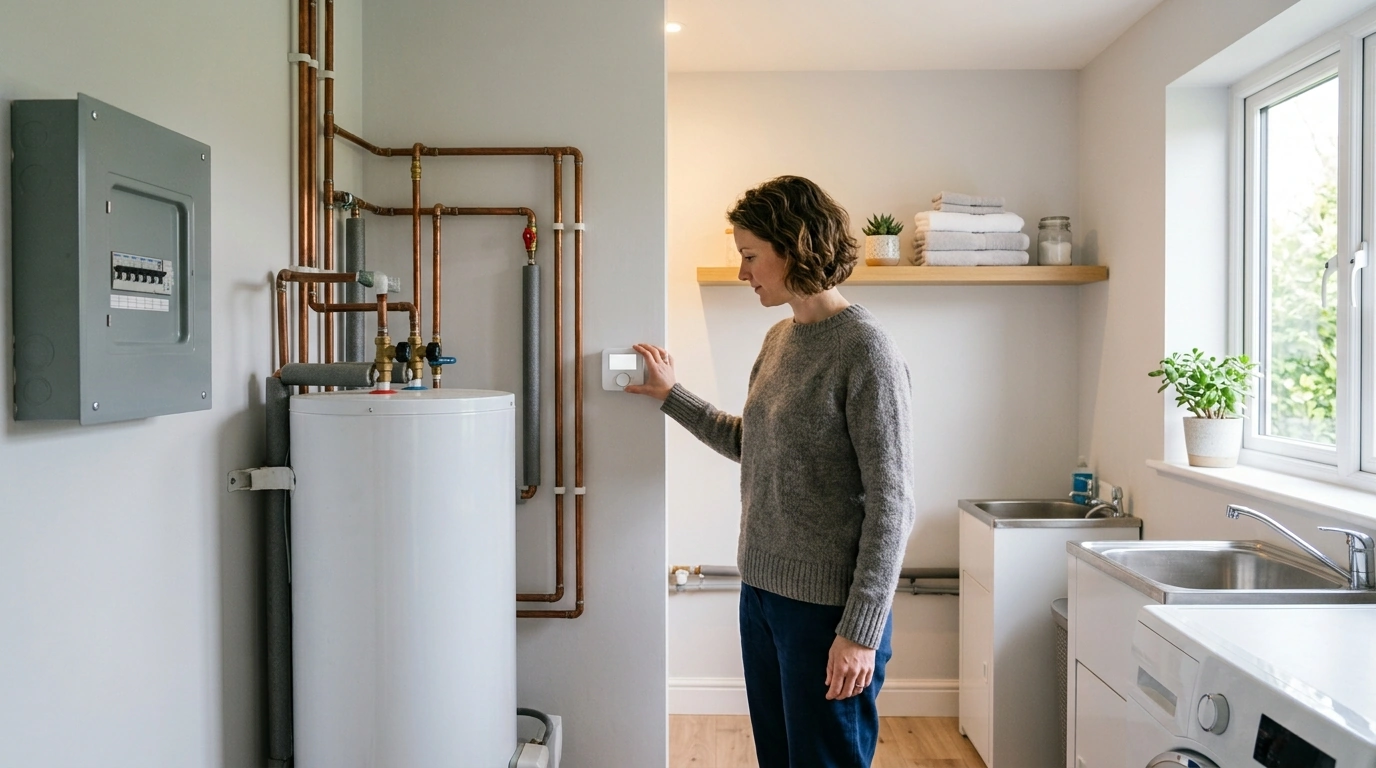
Set the thermostat to an efficient but comfortable temperature, then adjust it while the home is empty or household members are sleeping. A programmable or smart thermostat can automate these changes, but its schedule should reflect the household’s actual routine.
Replace or clean HVAC filters at the recommended interval. Restricted airflow may reduce performance and place unnecessary strain on equipment. Seal visible gaps around exterior doors, windows, attic openings, plumbing penetrations, and accessible duct connections with materials suited to each location.
Use curtains and shades to block unwanted summer heat or admit winter sunlight. Ceiling fans cool people rather than rooms, so switch them off in unoccupied spaces. Arrange professional service if equipment begins cycling unusually, performing poorly, or making new noises.
Repair dripping faucets, running toilets, and leaking outdoor connections promptly. To check a toilet, add food coloring to the tank and wait without flushing; color entering the bowl may indicate a faulty seal. Meter checks can also help reveal hidden water loss.
Households with children, older adults, or vulnerable residents should take extra precautions against scalding.
Start with actions that cost nothing, then move to maintenance and affordable improvements. Weatherstripping, efficient lighting, insulation, and controls can be considered after everyday waste and obvious faults have been addressed.
Keep the routine visible and manageable. The Ultimate Utility-Saving Checklist: Simple Steps to Reduce Your Utility Bills offers a dedicated way to organize these household tasks.
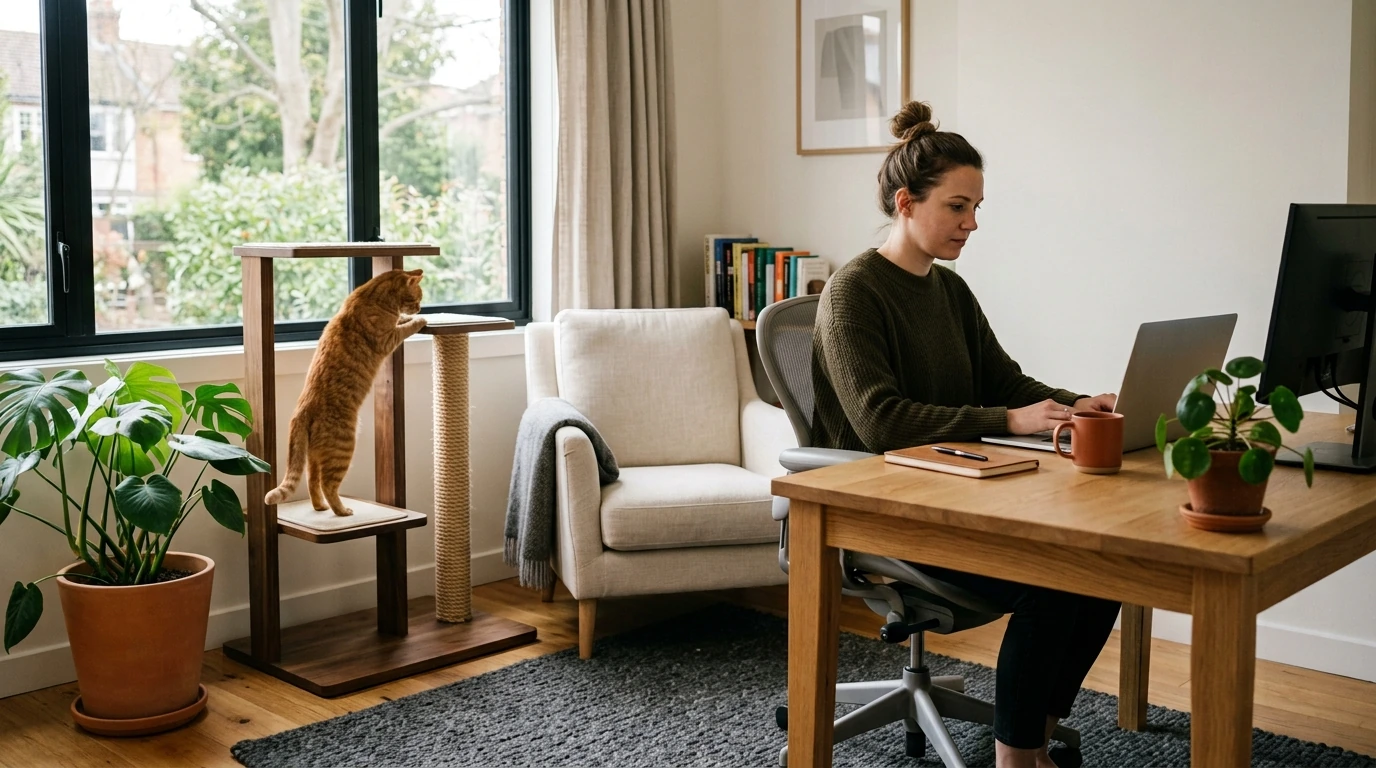
Compare related options such as Modern Cat Climbing Tree with Multifunctional Table and Scratching Post to match features, dimensions, and use case before choosing.
There is no universal trick, but reducing unnecessary heating and cooling often makes a larger difference than focusing only on small electronics. Potential savings depend on climate, energy rates, equipment, and household routines.
Yes. The savings depend on bulb wattage, efficiency, and how long the light would otherwise remain on, but consistently switching off unused lights reduces avoidable consumption.


Leave a comment
You must be logged in to post a comment.