25% off on product page · save $5.00
Can You Mix Different Art Styles? 6 Cohesive Tips
Yes. Combining different art styles can create a distinctive, layered look when the choices share a clear visual connection. The key is to establish one dominant style and use contrasting elements as intentional accents rather than giving every style equal weight.
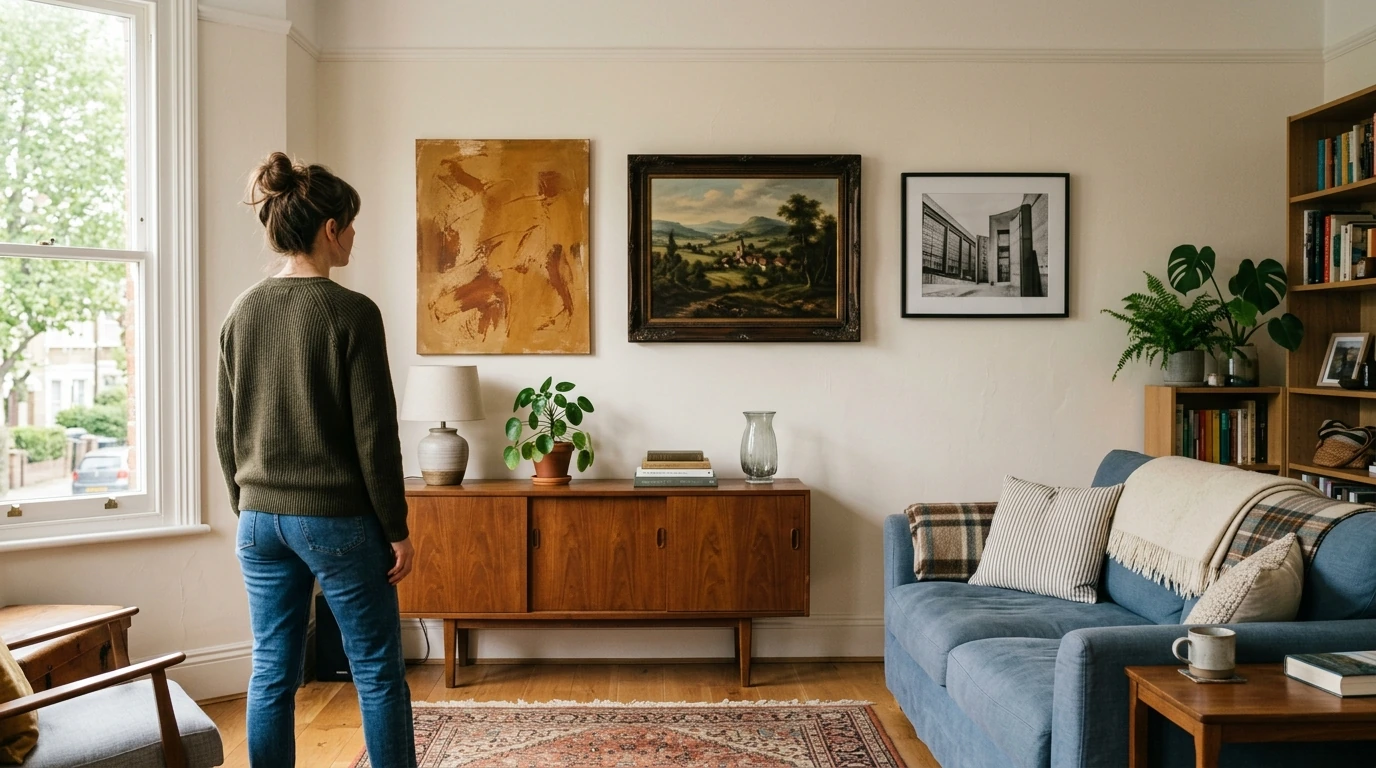
Connect contrasting artworks through color, subject matter, scale, or framing. For example, an abstract painting and a vintage portrait can work together if both feature similar earth tones or matching wood frames. Repeating one or two colors across the display helps the collection feel cohesive.
Featured in this guide
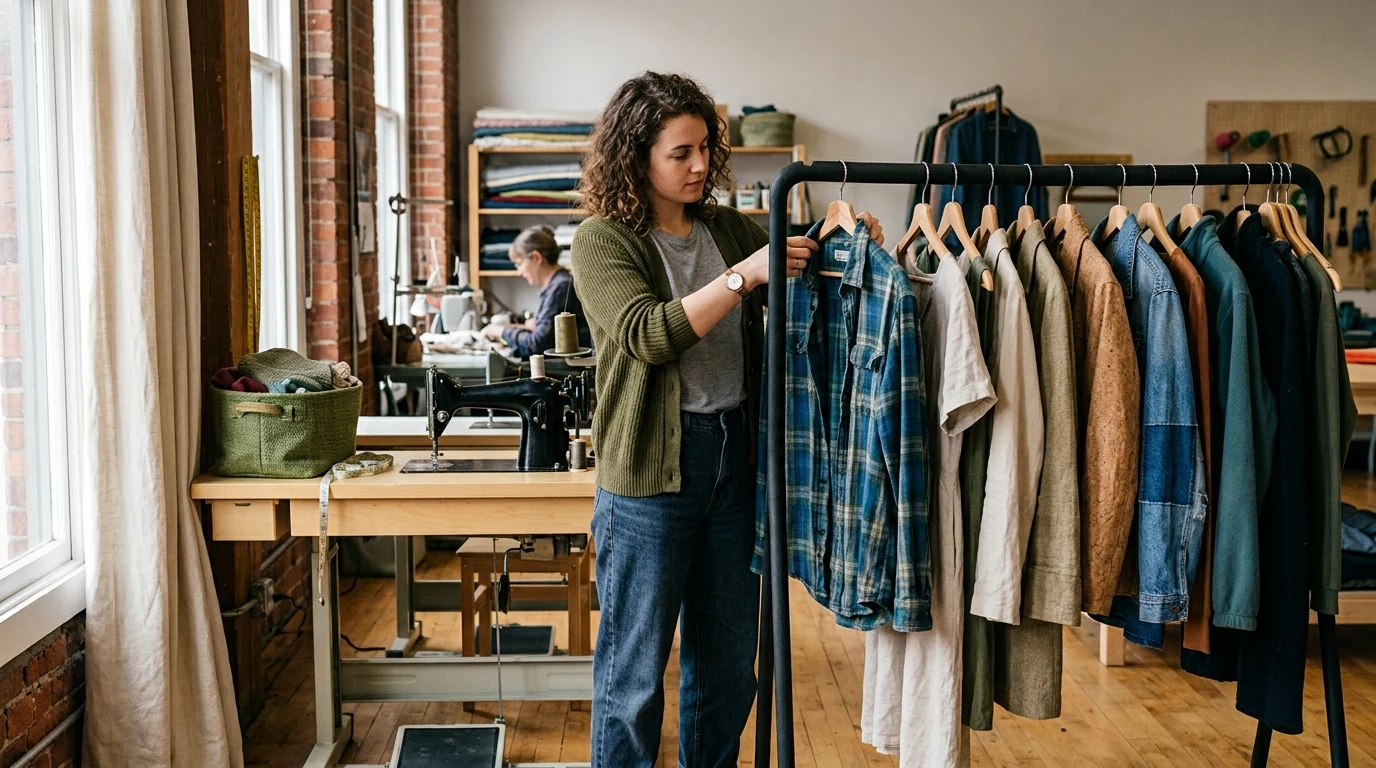
The Art of Mixing Casual and Chic | Effortless Everyday Style Guide eBook | How to Mix Casual and Chic Looks with Confidence
Start with a 70/30 balance: let one style account for roughly 70% of the visual impact and reserve 30% for contrast. Leave consistent spacing between pieces, typically two to four inches in a gallery wall, to give varied artwork a shared structure.
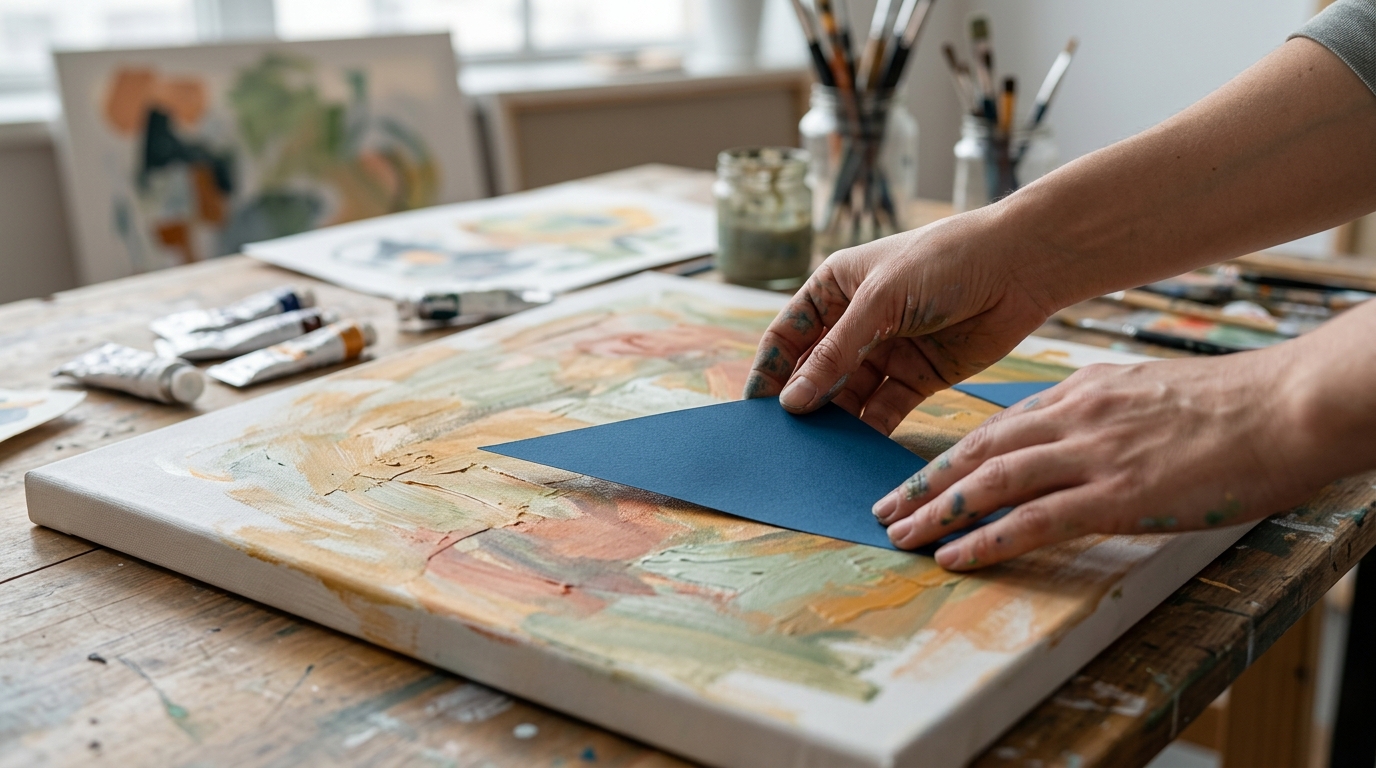
Arrange pieces on the floor or make paper templates before hanging them. Check the grouping from several feet away and adjust the scale, spacing, or color distribution until no single piece feels disconnected. This mix-and-balance approach also applies to personal style; explore similar principles in this guide to mixing casual and chic with confidence.
Combine different art styles by repeating a color, frame material, subject, or shape across the collection. Choose one dominant style and introduce others through smaller accent pieces.
Yes, an artist can develop two different art styles for separate subjects, media, or projects. Consistency within each body of work can make both styles recognizable.
Artist syndrome is an informal phrase often used to describe creative self-doubt, perfectionism, or anxiety about developing a recognizable style. It is not a formal medical diagnosis.

Leave a comment
You must be logged in to post a comment.