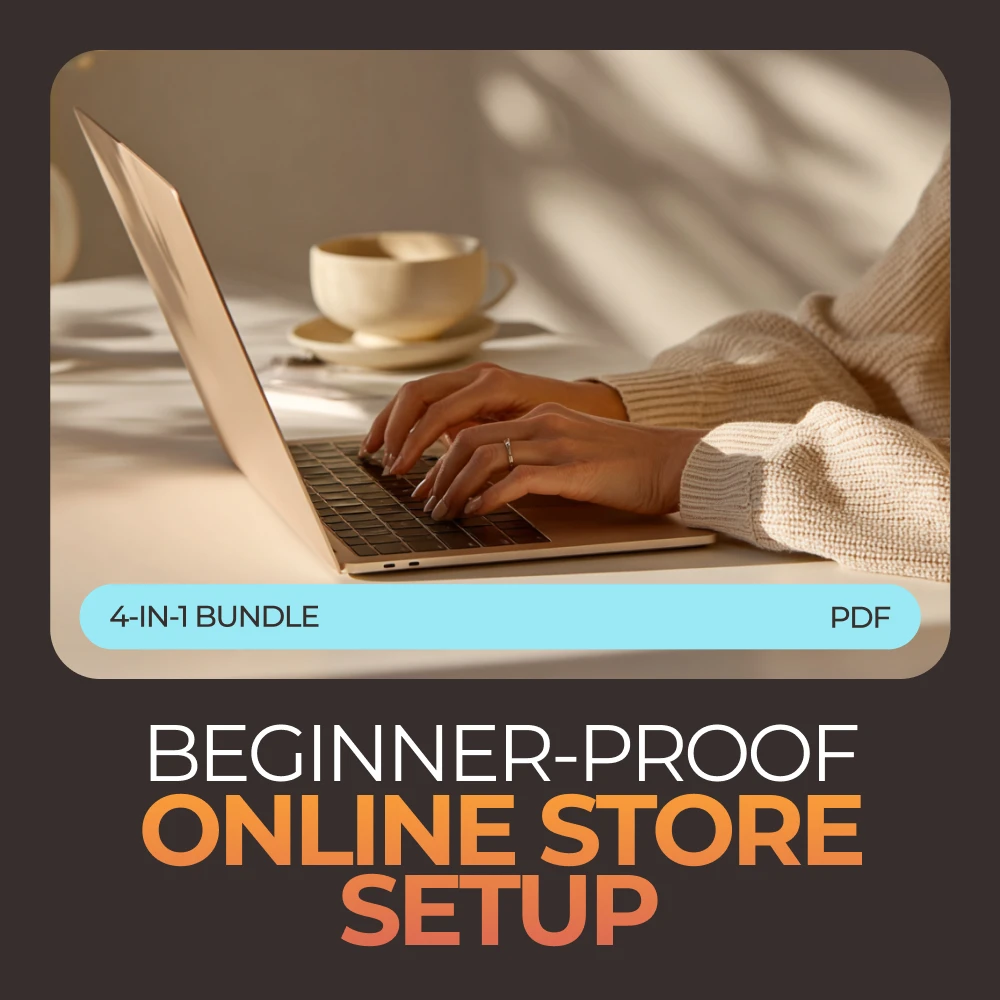
25% off on product page · save $93.33
A More Considered Way to Launch Your First Online Store
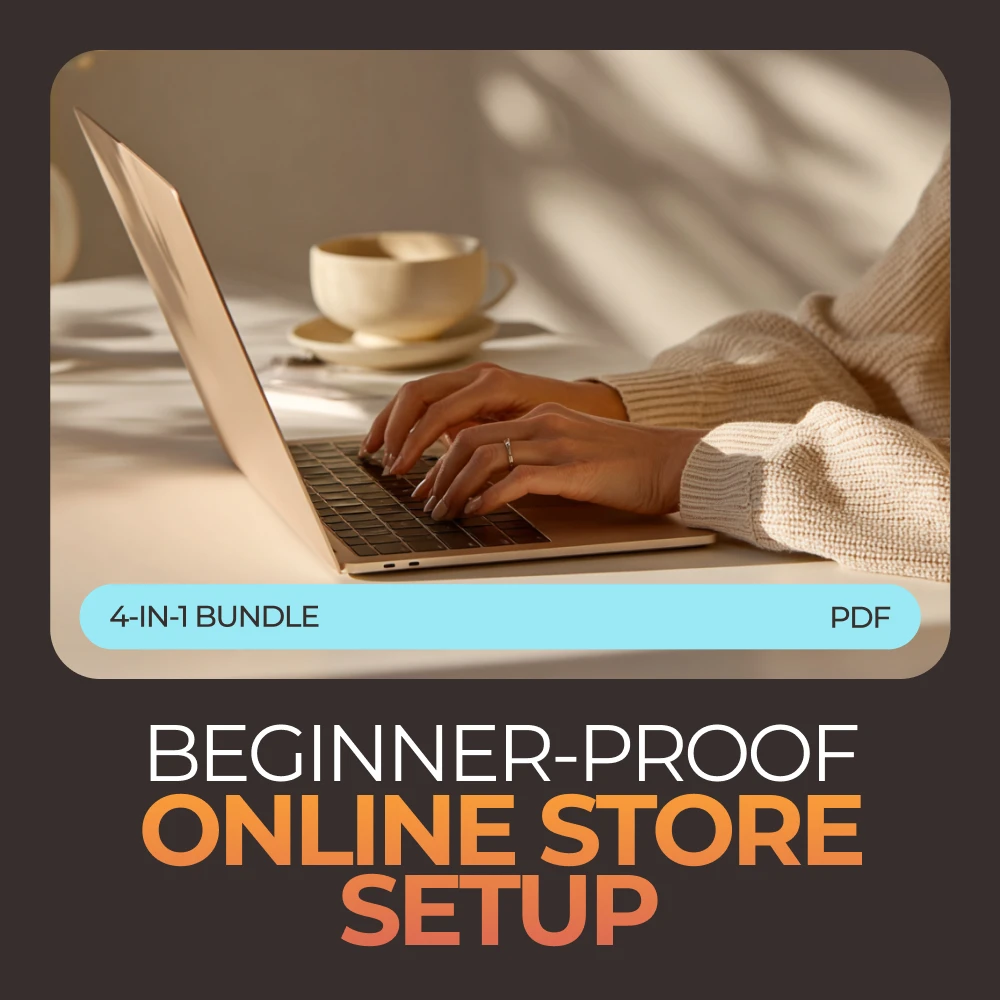
Without a clear plan, storefront components can feel disconnected. Product pages may use inconsistent descriptions, policies may contradict checkout messages, and shoppers may struggle to move from the homepage to an appropriate collection. Although the website is technically live, it may not be ready for real customers.
Premature launches also leave essential systems untested. Payments, shipping calculations, discount codes, inventory deductions, confirmation emails, and administrative notifications can behave differently during an actual transaction. Completing representative test orders is the only reliable way to examine the entire purchase path.
Customer readiness also requires clarity and reassurance. Visitors need understandable product information, visible contact details, predictable delivery terms, and simple navigation. A repeatable checklist reduces forgotten tasks and provides a practical framework for reviewing the store again after future changes.

Featured in this guide
Beginner-Proof Online Store Setup Bundle: Mistakes That Hold New Online Stores Back, Checklist & Guide
Vague titles, thin descriptions, inconsistent photography, missing measurements, and unexplained variations make comparison difficult. A considered product page gives the shopper enough information to understand what is offered and select an appropriate option.
For example, a page for Women’s Summer Wedge Sandals should clearly explain available colors, sizes, design details, and purchasing expectations.
Review product pages as a collection as well as individually. Terminology, option names, image treatment, availability messages, and policy references should feel consistent throughout the store.
Launch should begin ongoing quality control rather than end store preparation. Monitor failed payments, abandoned checkouts, delivery issues, returns, customer questions, and pages where visitors frequently leave.
Repeated questions can reveal missing product details or unclear policy language. Compare inventory records and fulfillment times with customer-facing promises, and repeat the review after changing themes, apps, payment providers, shipping rules, or collections.
Even a small configuration update can affect mobile layouts, checkout behavior, inventory deductions, or notifications. A store checklist is most useful when it becomes a maintenance routine rather than a one-time launch document.
“Starting an online storefront? Then you need this! It helped me sidestep so many newbie pitfalls… absolutely invaluable.”
Before choosing, compare the product details with your daily routine, available space, care needs, and preferred setup. The strongest option is usually the one that fits the intended use clearly and remains simple to clean, store, and check before repeat use.
It is also worth checking measurements, material notes, included parts, and compatibility details so the item matches the way it will be used after delivery.
Before choosing, compare the product details with your daily routine, available space, care needs, and preferred setup. The strongest option is usually the one that fits the intended use clearly and remains simple to clean, store, and check before repeat use.
Learn the definitions first, study several worked examples, and practice writing each logical step explicitly. Comparing your attempt with a correct solution can help identify unsupported claims or missing reasoning.
Proofs can be challenging because they require explanation rather than calculation, but difficulty varies by student and subject. Regular practice with definitions and basic proof structures usually makes them more manageable.




Leave a comment
You must be logged in to post a comment.