A More Refined Approach to Bi-Color and RGB Lighting
Consistent lighting can give portraits, product images, interviews, livestreams, and short-form videos a cleaner visual identity. Bi-color control handles the practical work of coordinating white light with a room, while RGB illumination introduces color where it has the greatest creative impact.
The distinction matters. White light is generally the more natural choice for faces and products; RGB light can add separation, atmosphere, or a deliberate wash of color behind the subject. Used together, they make it possible to create a polished frame without coloring every element in the scene.
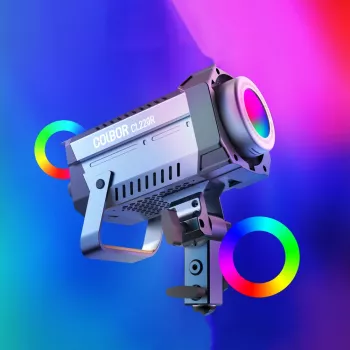
Bi-color LEDs generally blend warm and cool white emitters. Adjusting their relative intensity changes the appearance of the white light, helping it coordinate with daylight, interior lamps, or a chosen visual mood.
RGB LEDs mix red, green, and blue channels to produce colored illumination without separate gels. Direct that color toward a background, prop, or the subject’s hair and shoulders when you want visual separation while preserving natural-looking skin tones.
| Lighting mode | Visual character | Consider it for |
|---|---|---|
| Warm white | Inviting and comfortable | Lifestyle portraits and interiors |
| Neutral white | Balanced and natural | Products, tutorials, interviews, and headshots |
| Cool white | Crisp and daylight-inspired | Commercial scenes and modern interiors |
| Single RGB color | Bold and expressive | Backgrounds, gaming setups, fashion, and music content |
| White with RGB | Natural subject light with colorful separation | Interviews, promotions, and editorial photography |
Check the listed dimensions for white light for clarity, rgb for atmosphere against the available vehicle space before use.
Featured in this guide
Adjustable Bi-Color RGB LED Photography Lighting Kit
Position the key light slightly above eye level and approximately 45 degrees from the subject. Add diffusion when possible, then use a lower-intensity fill on the opposite side to manage facial shadows.
For an interview, direct RGB illumination toward the wall rather than the speaker. This creates separation and atmosphere without unnecessarily shifting skin tones.
Begin with neutral white light. Two symmetrically placed fixtures can create an even catalog-style result, while reducing one fixture’s output or moving it farther away introduces more dimension.
Reflective surfaces require particular care. Reposition the lights while watching the camera display so bright highlights define the object rather than obscure its details.
Check the listed dimensions for product photography against the available vehicle space before use.
Keep the primary light near the camera and close enough to appear soft while remaining outside the frame. Avoid placing a bright fixture directly behind a monitor, as that angle can create glare on glasses.
A low-output RGB background accent can add personality without competing with the presenter. The subject should remain the visual priority.
Check the listed dimensions for livestreams and short-form video against the available vehicle space before use.
The lighting kit is suited to home studios, content workspaces, product shoots, portraits, and video production. Check the product page for current ordering details, included components, mounting options, dimensions, controls, and power requirements.
Creators preparing for on-camera conversations may also find the Lights, Camera, Confidence! Video Interview Checklist helpful for organizing an interview setup and presentation routine. Used together with a repeatable lighting plan, a preparation checklist can make recording sessions more efficient.
“i love this lighting kit because i can easily switch between warm and cool tones depending on what kind of mood i want to set in my photos. not only does it make everything look more professional, but it also saves me time in post-production editing.”
Adjustable color temperature LED bulbs are available through lighting suppliers, photography retailers, and online stores. Check the stated color-temperature range, socket type, brightness, dimming compatibility, and power requirements before purchasing.
Bi-color LED lighting uses warm and cool white emitters that can be blended to change the appearance of white light. This helps a fixture coordinate with daylight, indoor lamps, and different creative preferences.
Historically, efficient blue LEDs were the most difficult to develop because they required suitable semiconductor materials and manufacturing methods. Their development was also essential to producing modern white LED light through phosphor conversion or color mixing.


Leave a comment
You must be logged in to post a comment.